
Maintaining the curb appeal and structural integrity of your home requires regular upkeep, and one of the most critical elements is exterior painting. The frequency with which you should repaint your home’s exterior depends on several factors, including the type of material, paint quality, climate conditions, and overall maintenance. Below is a comprehensive guide to help you understand how often your home’s exterior should be painted for lasting beauty.
Factors Affecting Repainting Frequency
- Exterior Material
Different building materials react differently to weather conditions and wear over time. Here’s an estimated timeline based on common materials:
| Material | Repainting Frequency |
|---|---|
| Wood Siding | Every 3-7 years |
| Stucco | Every 5-6 years |
| Brick (painted) | Every 12-15 years |
| Vinyl Siding | Every 10-20 years (if painted) |
| Aluminum Siding | Every 5-10 years |
- Quality of Paint
High-quality paints last longer than lower-grade options. Investing in premium paints with UV protection, moisture resistance, and durability can extend the lifespan of your paint job. - Homes in harsh climates (e.g., intense sunlight, heavy rainfall, or snow) may require more frequent painting due to increased exposure to wear and tear. Coastal homes are particularly susceptible to salt damage and humidity.
- Urban pollution can also lead to faster fading or discoloration.
- Maintenance Practices
Regular cleaning of the exterior surface removes dirt, grime, mold, or mildew that could degrade paint over time. Proper maintenance could delay the need for repainting.
Signs That It’s Time to Repaint
- Peeling or cracking paint
- Faded colors
- Visible water damage or stains
- Bubbling or blistering paint in areas exposed to moisture
- Chalky residue when you rub your hand against painted surfaces
Addressing these issues promptly ensures better protection for your home’s structure.
Tips for Extending Your Paint Job’s Lifespan
- Choose Weather-resistant Paints: Opt for paints designed specifically for exterior use that offer protection against UV rays and water damage.
- Prepare Surfaces Properly: Cleaning surfaces thoroughly before painting improves adhesion and ensures a long-lasting finish.
- Use Primer Where Necessary: Applying a primer helps create an even base coat on porous materials like wood or brick.
- Inspect Annually: Check regularly for early signs of wear so small issues can be addressed before they lead to costly repairs.
A proactive approach combined with high-quality materials ensures not only an attractive appearance but adds value and longevity to your home as well as its protective layers over time.
Tips from Florida painters on how often to repaint your home’s exterior
Painting your home’s exterior is a crucial aspect of preserving its aesthetic appeal and structural integrity. Determining how often you should repaint depends on various factors, including the type of material, the quality of paint used, and environmental conditions. Below is a comprehensive guide to help you determine the best frequency for painting your home’s exterior.
Factors That Affect Repainting Frequency
- Material of Your Home’s Exterior
Different materials have varying durability when it comes to holding paint. Here’s an approximate timeline based on common exterior materials:
| Material | Recommended Repainting Frequency |
|---|---|
| Wood siding | Every 3-7 years |
| Stucco | Every 5-10 years |
| Brick (painted) | Every 12-15 years |
| Fiber cement siding | Every 10-15 years |
| Aluminum siding | Every 5-8 years |
- Quality of Paint Used
High-quality paints are designed to last longer and resist weather-related wear and tear better than low-quality options. Opting for paints with advanced formulas can extend the life of your home’s exterior finish by several years. - Homes in regions with extreme weather fluctuations—such as harsh winters, strong UV exposure, or heavy rainfall—tend to need repainting more frequently.
- Coastal homes are especially vulnerable to salt air and humidity, which can cause paint to deteriorate faster.
- Maintenance Practices
Regular maintenance helps prolong the life of exterior paint. Simple practices like washing your home annually to remove dirt, mold, and mildew can prevent premature fading or peeling.
Signs It’s Time to Repaint
- Peeling or Cracking Paint: This indicates that moisture has penetrated beneath the surface.
- Faded Color: UV rays can cause pigments in paint to break down over time.
- Chalking: A powdery residue on your walls suggests that the paint is degrading.
- Exposed Wood or Substrate: If you can see raw material due to chipped or worn-out paint, immediate repainting is necessary to protect against rot or damage.
Tips for Extending Paint Longevity
- Choose Weather-Resistant Paints: Look for paints specifically labeled as UV-resistant or water-resistant.
- Prepare Surfaces Thoroughly Before Painting: Proper cleaning, sanding, and priming ensure better adhesion and durability.
- Use Professional Painters When Necessary: Professionals often have access to higher-grade products and techniques that result in a more durable finish.
- Invest in Quality Sealants: Applying a high-quality sealant over areas prone to wear (e.g., near gutters) creates an additional protective barrier.
Conclusion
By understanding how factors like material type and environmental conditions affect your home’s exterior paint longevity—and conducting regular maintenance—you can ensure lasting beauty while protecting your investment. Use this guide as a foundation when planning your next painting project for optimal results tailored to your home’s specific needs.
Transform Your Living Space with a Trusted Painting Company Florida
Revamping your living space through professional painting is one of the most effective and transformative ways to refresh your home’s aesthetic. Whether you’re aiming for a subtle update or a bold new look, professional painting can deliver exceptional results. In this guide, we will explore essential aspects of using professional painting services to enhance your interiors, from color selection to preparation and execution.
Benefits of Professional Painting Services
- Quality Results: Professional painters have the skills and experience to ensure smooth, even finishes with precise detailing.
- Time Savings: With their efficiency, professionals complete the job faster than DIY efforts would allow.
- Proper Preparation: Experts know how to prepare surfaces by cleaning and priming them for long-lasting results.
- Access to Tools and Materials: Professional painters use high-quality brushes, rollers, sprayers, and paints suited for each specific job.
- Expertise in Color Matching: They can help you choose colors that complement your style and existing decor.
1. Assess and Plan
Before beginning any painting project, assess the space you want transformed. Consider factors such as room size, lighting conditions, existing furniture, and desired mood. A clear plan ensures cohesive design choices that align with your goals.
2. Choose the Right Colors
- Use lighter tones like whites or pastels to make small rooms feel larger.
- Choose warm hues (e.g., beige or terracotta) for spaces where comfort is prioritized.
- Cooler tones such as blues or grays create a calming environment.
- Opt for accent walls in bold colors for added visual interest.
3. Prioritize Quality Paint Finishes
Paint finish plays an important role in both durability and appearance: | Finish Type | Best For | Characteristics | |——————–|——————————-|——————————————| | Matte/Flat | Bedrooms & Ceilings | Non-reflective; hides imperfections well | | Eggshell | Living Rooms & Hallways | Slightly reflective; easy-to-clean | | Satin | Kitchens & Bathrooms | Smooth finish; durable against moisture | | Semi-gloss/Gloss | Trim & Doors | Highly reflective; resistant to wear |
4. Surface Preparation Is Key
The quality of surface preparation directly influences the outcome of the project:
– Remove dirt, dust, and grease using appropriate cleaning solutions.
– Repair cracks or imperfections with spackle or putty.
– Sand rough surfaces to ensure smooth application.
– Apply primer if necessary—especially when covering dark colors or porous surfaces.
Hiring Professionals vs DIY
While DIY painting projects might seem cost-effective initially, they often require considerable time, effort, and skill development to achieve comparable results as professionals.
| Criteria | Professional Painters | DIY Projects |
|---|---|---|
| Time Commitment | Minimal; professionals work efficiently | High; requires personal effort |
| Cost | Higher upfront cost | Lower initial investment |
| Equipment & Materials | Provided by professionals | Must purchase tools independently |
| Skill Level Required | Expertise ensures flawless results | Requires learning techniques |
Final Touches
Once walls are painted beautifully by experts:
1. Add complementary decor items like artwork or textiles.
2. Update light fixtures that align with your refreshed color scheme.
3. Reintroduce furniture strategically—ensuring it complements freshly painted walls.
By enlisting professional painters combined with thoughtful design choices during planning stages—your living space will truly feel revitalized while providing lasting enjoyment.
The Ultimate Guide to Revamping Your Living Space with Professional Painting
Revamping your living space with professional painting is one of the most effective ways to refresh your home’s appearance, enhance its value, and personalize it to fit your style. Whether you’re looking for a subtle transformation or a bold statement, professional painting offers precision, durability, and superior results. Below, we’ll explore key aspects of updating your interiors and exteriors with the help of experienced painters.
Benefits of Professional Painting Services
- Expertise and Quality: Professionals bring years of experience, ensuring crisp lines, smooth finishes, and even application.
- Time-Efficiency: Experienced painters complete projects faster by using proven techniques and high-quality tools.
- Access to Premium Materials: Professionals typically have access to high-grade paints that offer better coverage and longevity.
- Custom Recommendations: They can advise on color schemes, textures, and finishes that best suit your space.
Steps to Revamp Your Living Space
- Decide which rooms or areas require painting.
- Determine whether you want full coverage or accent walls for added depth.
- Warm tones (e.g., beige, terracotta) create cozy spaces like bedrooms.
- Cool tones (e.g., blue, gray) work well in offices or bathrooms for a calming effect.
- Highlight architectural features with contrasting colors.
- Matte finish: Ideal for low-traffic areas; hides imperfections but less durable.
- Satin or eggshell finish: Great for living rooms or hallways due to their slight sheen and easy maintenance.
- Semi-gloss or gloss finish: Perfect for kitchens and bathrooms as they resist moisture.
- Move furniture away from walls or cover it with protective sheets.
- Patch cracks or holes in walls before beginning the project.
- Look for licensed contractors who prioritize safety protocols during painting jobs.
- Request references and portfolio samples from previous projects.
Interior Painting Trends
| Trend | Description |
|---|---|
| Accent Walls | A single bold-colored wall adds character without overwhelming. |
| Two-Tone Walls | Combining two shades creates visual interest in larger spaces. |
| Textured Finishes | Faux finishes like marble or concrete are gaining popularity. |
| Earthy Neutral Palettes | Subtle browns, beiges, and greens offer timeless sophistication. |
When Should You Repaint?
- High traffic areas (e.g., hallways): Every 2–3 years
- Bedrooms & living rooms: Every 5–7 years
- Kitchens & bathrooms: Every 3–4 years due to humidity exposure
Revamping your living space through professional painting ensures a flawless finish while saving time and effort. By carefully selecting colors, finishes, and trends tailored to each room’s function, you can create an inviting home environment that truly reflects your style.
Expert House Painters Florida: Transforming Your Outdoor Spaces with Durable and Aesthetic Paint Solutions
Transforming your outdoor spaces with the right paint not only enhances the aesthetic appeal of your property but also provides long-lasting protection against environmental factors like harsh weather, UV rays, and moisture. Choosing durable and aesthetically pleasing paint solutions ensures that your outdoor spaces remain vibrant and functional for years to come. Below are essential tips, considerations, and techniques to help you achieve stunning results.
Benefits of High-Quality Outdoor Paint
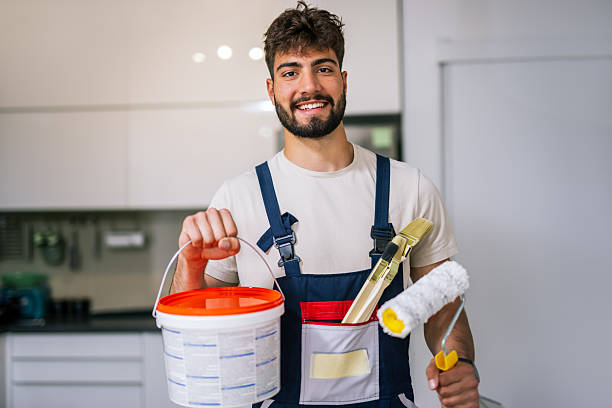
- Weather Resistance: Premium exterior paints are formulated to withstand extreme conditions such as rain, humidity, heat, and frost.
- UV Protection: High-quality paints help prevent fading caused by prolonged sun exposure.
- Durability: These paints resist peeling, cracking, or blistering over time.
- Easy Maintenance: Dirt-resistant finishes make cleaning effortless while maintaining their original look.
- Enhanced Curb Appeal: Vibrant colors and smooth finishes create a welcoming atmosphere.
Selecting the Right Paint for Outdoor Use
- Acrylic Latex Paint: Best for most exterior surfaces due to its flexibility and resistance to moisture.
- Oil-Based Paint: Offers excellent durability but may require more drying time.
- Masonry Paint: Ideal for concrete or brick surfaces as it resists cracking.
- Satin or eggshell finishes work well on walls by offering a balance between durability and aesthetics.
- Glossy finishes are better suited for trim or doors due to their reflective properties.
- Opt for neutral tones or earth-inspired hues for timeless elegance.
- Use bold accents sparingly on doors or trims for added character.
| Surface Type | Recommended Paint Type | Suggested Finish |
|---|---|---|
| Wood Deck | Acrylic Latex | Semi-Gloss |
| Concrete Patio | Masonry | Satin |
| Metal Railings | Oil-Based | Glossy |
Preparing Outdoor Surfaces Before Painting
- Clean all surfaces thoroughly using pressure washing or scrubbing tools to remove dirt, grime, mold, or mildew.
- Repair cracks or holes in walls using caulk or filler materials before proceeding with painting.
- Sand wooden surfaces lightly to smooth rough edges or peeling areas.
- Apply a high-quality primer designed specifically for exterior use to promote adhesion.
Tips for Painting Your Outdoor Spaces
- Choose a dry day with mild temperatures (between 50°F–85°F) to prevent issues like uneven drying or poor adhesion caused by humidity.
- Use high-quality brushes or rollers designed specifically for exterior projects; these tools provide better coverage while ensuring an even coat.
- Work in sections from top to bottom; this approach reduces streaks caused by overlapping wet edges.
Maintaining Painted Outdoor Surfaces
- Wash painted surfaces annually using mild soap and water to remove dirt buildup.
- Inspect annually for signs of wear such as peeling paint; touch up small areas promptly if needed.
- Trim nearby vegetation regularly so branches don’t scrape painted walls.
By selecting durable products combined with thoughtful design choices, you can create outdoor spaces that are both functional and visually appealing while standing the test of time.
Key Considerations Before Starting a Painting Project in Your Home
Planning a painting project for your home involves more than simply choosing colors and picking up a brush. To ensure that your efforts yield long-lasting and visually appealing results, several factors must be considered before starting. Below, we outline essential considerations to guide you through the process.
Assessing the Scope of Your Project
Before diving into a painting project, determine the following:
– What areas need painting? Are you working on interior walls, ceilings, or exterior surfaces?
– What is the current condition of the surface? Cracks, peeling paint, or uneven textures may require preparation work like patching or sanding.
– How large is the area? Measuring square footage helps in estimating paint volume and time required.
Choosing the Right Paint Type
| Paint Type | Best For | Characteristics |
|---|---|---|
| Latex (Water-Based) | Interior & Exterior | Easy to clean; low odor |
| Oil-Based | High-moisture areas | Durable; smooth finish |
| Acrylic | Exterior surfaces | Fade-resistant; weatherproof |
Additionally, consider finishes such as matte, eggshell, satin, semi-gloss, or gloss depending on your needs for appearance and maintenance.
Surface Preparation Is Key
Proper preparation ensures professional results and extends the lifespan of your paint job. Steps include:
1. Cleaning surfaces to remove dust and grease. A simple mix of water and mild detergent works well for most walls.
2. Repairing imperfections like cracks or nail holes using spackle or filler material. Sand smooth once dry.
3. Applying primer if necessary: – Use primer on new drywall for better adhesion. – Opt for stain-blocking primers if covering dark colors or stains.
Skipping preparation can lead to peeling paint and uneven application.
Selecting Color Palettes That Suit Your Space
- Neutral Tones: Ideal for creating calm, timeless settings in bedrooms or living rooms (e.g., beige, gray).
- Bold Colors: Make an impact in accent walls but use sparingly to avoid overwhelming small spaces (e.g., deep navy).
- Light Colors: Enhance natural lighting in smaller rooms by reflecting light effectively (e.g., pastel shades).
Test samples on walls before committing to ensure proper lighting brings out their true hues.
Budgeting Wisely
- Paint (1-gallon covers ~350 sq ft per coat).
- Primers if required.
- Brushes/rollers based on surface textures.
- Account for labor costs if hiring professionals.
- Factor in unexpected expenses—set aside 10%-15% of your budget as contingency.
Budget-friendly tip: Buy materials during seasonal sales from hardware stores.
Timing Your Painting Project
- Avoid rainy seasons—dry weather ensures better drying times.
- Spring/Fall offers moderate temperatures ideal for outdoor painting tasks.
- Plan when traffic at home is minimal for uninterrupted work time.
- Ensure proper ventilation during colder months with water-based paints to reduce odors.
Being mindful of these considerations will help streamline your painting endeavor while ensuring optimal results tailored to both function and style preferences within your home environment.
Top Benefits of Choosing Painting Services Florida for a Flawless Finish
When it comes to painting your home, the quality of the work can significantly impact the overall appearance and longevity of the paint job. While DIY painting projects are popular for cost-saving purposes, hiring professional painters offers a range of advantages that often make it a worthwhile investment. Below, we explore the key benefits of working with expert painters and how their expertise ensures a flawless finish.
High-Quality Results That Last
- Surface Preparation: Proper cleaning, sanding, priming, and filling cracks or holes are critical steps that professionals handle meticulously before applying paint.
- Even Coating: Experts use advanced tools like spray guns or high-quality rollers to achieve an even application without streaks or brush marks.
- Premium Products: Many professional painters have access to high-grade paints and finishes that provide better coverage and durability compared to standard options.
Time Efficiency
Painting an entire room—or an entire home—can be time-consuming if you’re inexperienced. A professional team will streamline the process by using efficient techniques while maintaining excellent results. Their ability to stick to deadlines ensures your project is completed quickly without compromising quality.
| Task | DIY Time (Approx.) | Professional Time (Approx.) |
|---|---|---|
| Prepping Walls | 3–5 hours | 1–2 hours |
| Painting Single Room | 4–6 hours | 2–4 hours |
| Cleanup | 2+ hours | 30–60 minutes |
Cost-Effectiveness in the Long Run
- Reduced need for frequent touch-ups or repaints.
- Proper application methods that prevent peeling or flaking.
- Minimized waste of paint through precise measurements.
Access to Professional Tools & Techniques
Professionals use specialized tools such as extension ladders, drop cloths, edgers, and sprayers for consistent results. Additionally, they are skilled in techniques like color blending and edging around trims or intricate details.
- Painter’s Tape: Ensures clean lines around edges.
- Drop Cloths: Protect floors from drips and spills.
- High-End Brushes/Rollers: Provide better coverage with less effort.
Safety Assurance
Painting often involves working with chemicals (e.g., primers) or navigating hard-to-reach areas like ceilings or exterior walls. Professionals are trained in using safety equipment such as harnesses for high surfaces or masks when dealing with strong fumes. This reduces risks associated with falls or exposure to harmful substances during the project.
Expert Color Consultation
Choosing the right color palette can be overwhelming due to endless options available on the market today. Many painting companies offer personalized consultations where experts help you select colors that complement your home’s architecture and interior design style seamlessly.
- Opt for warm tones (e.g., beige or light brown) in living rooms for a welcoming ambiance.
- Use neutral shades such as white or gray in small spaces to make them appear larger.
- Incorporate bold accent walls strategically in bedrooms for added character.
Overall, hiring professional painters ensures that your home not only looks stunning but also benefits from long-term durability and protection against wear-and-tear elements like weathering or stains. By investing in expertise upfront, you gain peace of mind knowing your property is cared for by experienced hands.
Benefits of Hiring Professional Painters for a Flawless Finish
When it comes to painting your home, partnering with professional painters can make all the difference in achieving a polished and long-lasting result. While DIY painting projects might seem cost-effective and rewarding at first glance, there are several benefits to hiring skilled professionals that outweigh the initial expense. Below, we’ll explore why professional painters are often the best choice for ensuring a flawless finish.
Superior Expertise and Knowledge
Professional painters bring years of experience and technical knowledge to every project. They understand different paint types, surface preparations, and application techniques for achieving high-quality results. Their familiarity with tools such as brushes, rollers, sprayers, and specialized equipment ensures precision during the painting process.
- Surface Preparation: Properly cleaning, sanding, priming, and repairing surfaces are crucial steps that professionals never overlook.
- Paint Selection Expertise: They can recommend the best paint types (e.g., oil-based vs. water-based) and finishes (e.g., matte or semi-gloss) for your specific needs.
- Problem-Solving Skills: For homes with issues like peeling paint or moisture damage, professionals know how to address these challenges effectively before applying new coatings.
Time Efficiency
- Inspecting the project area to plan the necessary steps.
- Preparing surfaces thoroughly before painting starts.
- Applying multiple coats of paint evenly and professionally.
- Cleaning up after completing the job—leaving your space tidy.
By delegating this responsibility to experts, homeowners save valuable time while ensuring their project is completed on schedule.
Access to Quality Materials
Experienced painters have access to premium products and materials that may not always be available at local hardware stores—or may be overlooked by non-professionals who lack specific insights into quality differences.
Professionals also understand how environmental factors such as humidity or sun exposure affect paint performance over time—and will select paints designed for lasting durability in those conditions.
| Factor | DIY Painters | Professional Painters |
|---|---|---|
| Surface Preparation | Often Insufficient | Thorough |
| Application Tools | Basic | High-quality equipment |
| Paint Durability | May vary | Long-lasting recommendations |
Cost-Effective in the Long Run
Attempting a DIY project may lead to errors like uneven finishes or selecting subpar materials—resulting in additional costs down the road when repairs are needed sooner than expected. Professional services often come with warranties or guarantee for their work, providing peace of mind that your investment is protected.
Clean-Up Services Included
- Removing tarps/drop cloths from furniture/floors.
- Properly disposing of leftover materials (e.g., empty cans).
- Ensuring spaces are left spotless after completing each stage.
Aesthetic Appeal & Attention to Detail
One hallmark benefit offered by pros lies within sharp lines between walls/ceilings tricky transitions handled using advanced edging techniques unavailable through most homeowner approaches attempting similar options themselves directly leading smoother overall aesthetics particularly vital modern open-space layouts visible interconnected rooms at once demanding higher-quality seamless effects altogether delivered practiced capable teams underpinning those results properly every time meaningful difference ultimately achieved trusted specialists implementing them accordingly respective contexts overall scope projects themselves aligned expectations accordingly benchmarks desired outcomes satisfaction levels accordingly.
- Comprehensive Guide to Painting Services Florida: How Often Should You Repaint Your Home
- Essential Tips from Florida Painters: How Often Should You Repaint Your Walls
- How Often Does Your Home Need Interior & Exterior Painting Florida for Lasting Beauty
- How Often Should Florida Painters Recommend Painting the Exterior of Your Home and What Factors Affect the Timing
- Florida painters: Interior vs Exterior
- Ultimate Guide to Property Painting: Maintenance Practices, Repaint Planning, and Industry Insights