
Repainting your walls can significantly enhance the appearance and feel of your home, but many homeowners struggle to determine when it’s time for a fresh coat of paint. Factors such as room type, wall condition, and lifestyle can all affect how frequently you should consider repainting. Below, we’ll explore the key aspects to help you maintain beautiful and long-lasting interiors.
Best Timeframes Recommended by House Painters Florida for Repainting
- Living Rooms and Dining Rooms: These areas tend to experience less wear and tear compared to high-traffic rooms. Repainting every 5–7 years is often sufficient unless the walls are exposed to constant sunlight or smoke.
- Bedrooms: Adult bedrooms typically require repainting every 5–7 years. Children’s rooms or playrooms, however, may need more frequent updates (around 3–4 years) due to scuffs, drawings, or other damages caused by active use.
- Kitchens and Bathrooms: Kitchens are subject to grease splatters and heat exposure; bathrooms deal with humidity. These factors mean these spaces should be repainted every 3–4 years using durable paint that resists moisture and stains.
- Hallways and Corridors: As high-traffic areas prone to dirt, fingerprints, and scuff marks, hallways may need repainting every 2–3 years depending on their condition.
- Ceilings: Ceilings usually last longer than walls but may require a refresh every 7–10 years or sooner if there are issues such as watermarks or discoloration from light fixtures.
Key Factors That Impact Repainting Frequency for Painting Services Florida
- Premium paints usually offer better durability than cheaper alternatives.
- Look for paints with features like stain resistance or UV protection if your home faces specific challenges (e.g., direct sunlight exposure).
- Properly primed surfaces ensure better adhesion and longer-lasting results.
- Skipping preparation steps such as cleaning or sanding may shorten the lifespan of your paint job.
- Homes with pets or young children often face more wear on walls due to scratches, smudges, or accidents.
- Open-concept spaces where cooking odors travel freely might lead to faster discoloration of walls.
- Areas exposed to direct sunlight may fade faster due to UV rays.
- Humidity-prone zones (like bathrooms) can cause peeling without the right moisture-resistant paint.
When to Consider Interior & Exterior Painting Florida Homes
- Fading colors that no longer look vibrant.
- Peeling or cracking paint due to poor adhesion or prolonged exposure to moisture.
- Stains that cannot be cleaned off effectively.
- Visible damage like dents, chips, scratches, or mold growth that affects the aesthetic appeal of the space.
Benefits of Regular Painting Maintenance
| Benefit | Explanation |
| Protection Against Wear | Fresh paint helps shield walls from everyday scratches and environmental factors like humidity. |
| Improved Air Quality | Modern low-VOC paints reduce harmful fumes for healthier indoor air quality. |
| Enhanced Resale Value | Neutral-colored freshly painted walls attract potential buyers. |
| Personal Enjoyment | Updated colors create a rejuvenated atmosphere aligned with evolving tastes. |
By paying attention to these guidelines—and staying aware of changes in wall condition—you can ensure that your home remains both visually appealing and structurally sound over time.
Factors That Influence How Frequently You Should Repaint Your Walls with a Painting Company in Florida
Repainting your walls is an essential part of home maintenance and design. However, determining how often to repaint depends on a variety of factors, all of which play a role in the longevity of the paint and its aesthetic appeal. Below are some of the key factors that influence repainting frequency and what you should consider when planning your next project.
1. Room Usage and Traffic Levels
Certain rooms experience more wear and tear than others due to their usage. High-traffic spaces will typically need repainting more frequently.
- Hallways, kitchens, and living rooms require repainting every 2-5 years due to scuffs, stains, and general wear.
- Children’s bedrooms may also need more frequent attention because of fingerprints or wall art.
- Guest rooms or formal dining rooms can go longer without a refresh—every 5-7 years—since they see less activity.
2. Paint Type and Quality
The type and quality of the paint used during your last project significantly affect its durability.
| Paint Finish | Durability Rating | Suggested Use Cases |
| Flat/Matte | Low | Low-traffic areas like bedrooms or ceilings |
| Eggshell/Satin | Medium | Living rooms, dining areas, or moderately used spaces |
| Semi-gloss/Gloss | High | Kitchens, bathrooms, trim work |
High-quality paints from reputable brands often last longer due to their superior formulation. Investing in premium options upfront can lower repainting frequency over time.
3. Exposure to Sunlight
Walls exposed to direct sunlight may fade faster than those in shaded areas. UV rays can cause colors to dull over time.
- South-facing walls or rooms with large windows might require touch-ups every few years if fading becomes noticeable.
- Consider using UV-resistant paints or window treatments (like blinds) to minimize sun exposure.
4. Interior Climate Conditions
- High-Humidity Areas: Bathrooms, laundry rooms, and kitchens are prone to moisture buildup that can lead to peeling or mold growth on painted surfaces.
- Recommendation: Opt for mildew-resistant paint for these areas and plan for touch-ups every 3–4 years.
5. Color Trends vs. Personal Style
- If you like keeping up with interior design trends (e.g., popular color palettes), you might choose to refresh your walls every couple of years.
- For a timeless look that doesn’t age quickly, select neutral tones that won’t feel outdated even after many years.
Tips for Extending Wall Paint Longevity
- Regularly clean painted surfaces using a damp cloth or sponge—especially in high-touch areas.
- Address damage quickly by patching holes or filling cracks before they worsen.
- Use washable paints in high-use spaces—they’re easier to maintain without requiring full repaints.
- Protect walls from furniture damage by using bumpers behind chairs or tables near surfaces.
By evaluating these factors carefully, homeowners can create a customized painting schedule that balances practicality with aesthetics while ensuring their living spaces remain visually appealing for years to come.
General Guidelines for Repainting Your Home: What Every Homeowner Should Know
Repainting your home not only refreshes the appearance of your living spaces but also helps maintain the quality and longevity of your walls. However, determining how often to repaint and what factors to consider can be a challenge for many homeowners. Below, we cover essential guidelines to help you navigate this process effectively.
1. Understand the Lifecycle of Paint in Different Rooms
| Room Type | Average Time Before Repainting |
| Living Rooms | 5-7 years |
| Bedrooms | 5-7 years |
| Kitchens | 3-5 years |
| Bathrooms | 3-4 years |
| Hallways & Corridors | 2-4 years |
Rooms that experience higher humidity, frequent cleaning, or higher traffic (like hallways or kitchens) tend to require repainting more frequently compared to low-traffic areas like formal living rooms.
2. Evaluate the Condition of Your Walls
Before deciding whether it’s time to repaint, inspect your walls for signs that they need attention:
– Fading Colors: If sunlight exposure has dulled vibrant colors, it’s time for a refresh.
– Peeling or Cracking Paint: These indicate that the paint has deteriorated and needs replacement.
– Scuff Marks or Stubborn Stains: High-contact areas often accumulate marks over time.
– Mold or Mildew: Particularly relevant in bathrooms or basements where moisture is prevalent.
If any of these issues persist despite regular cleaning, consider scheduling a repaint.
3. Choose Appropriate Paint Finishes
| Finish Type | Best For |
| Matte/Flat | Low-use spaces like adult bedrooms |
| Eggshell | Living rooms and dining areas |
| Satin | High-use rooms such as kitchens |
| Semi-gloss | Bathrooms and trim work |
| Gloss | Doors, cabinets, and accent details |
Using finishes suited to specific spaces can prolong their durability and enhance resistance against wear.
4. Budgeting for Repainting
Planning your budget ensures you get quality results without overspending:
– Paint Costs: Premium paints typically last longer but come at a higher price point. Consider if high-end options fit your needs.
– Labor Costs: If hiring professionals, expect labor charges depending on room size and complexity.
– Preparation Materials: Primer, tape, brushes/rollers add to costs if you’re handling it yourself.
It’s helpful to compare quotes from professional painters if you lack experience with DIY projects.
5. Timing Your Project Strategically
Certain times of year are more conducive for interior painting:
1. Spring & Fall: Moderate temperatures make these seasons ideal as they prevent paint from drying too quickly or too slowly.
2. During Renovations: Painting after structural updates ensures you don’t need touch-ups later on.
3. Before Moving In: An unoccupied home allows faster completion without furniture obstructions.
Scheduling an optimal time ensures both efficiency and better results.
By following these guidelines carefully, homeowners can keep their interiors looking fresh while protecting their investment over time.
When and Why You Should Hire Professional Painting Services for Your Next Project
Painting your home’s interior can seem like a straightforward task, but the reality is that achieving a flawless and durable finish requires skill, precision, and expertise. While many homeowners may consider DIY painting to save costs, hiring professional painters often proves to be a more efficient and higher-quality solution. Here are several reasons why you should consider hiring professionals for your next painting project.
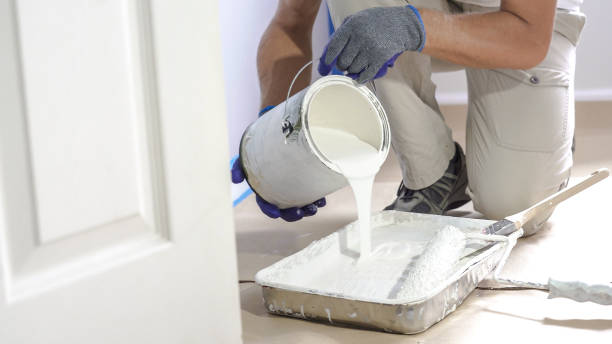
Benefits of Hiring Professional Painters
- Superior Quality Results
Professionals have an eye for detail and experience in delivering smooth, even finishes. They know how to address imperfections on walls such as cracks, uneven textures, or stains before applying paint. - Time Efficiency
Painting an entire house—or even a single room—can be time-consuming, especially if you’re not experienced. Professionals work with streamlined processes and tools to complete projects faster while maintaining quality. - Access to Specialized Tools & Techniques
From high-quality brushes and rollers to advanced sprayers, professional painters use specialized equipment that ensures higher precision in application. - Expert Knowledge About Paints & Finishes
Choosing the right type of paint for different surfaces is crucial for durability and aesthetics. Professionals are well-versed in selecting paints suitable for high-traffic areas, bathrooms prone to humidity, or spaces that require washable finishes. - Safety Considerations
Painting can involve working on ladders or dealing with fumes from paints and primers. Professionals follow safety protocols to minimize risks during the project.
Key Scenarios Where Hiring Professional Painters Is Essential
- Large-Scale Projects: Painting multiple rooms or an entire home requires logistics planning that professionals can handle efficiently.
- Specialized Techniques: If you’re looking for decorative finishes like faux painting, wall textures, or intricate trim work.
- Preparation Challenges: Walls with water damage, peeling paint, or mold require careful preparation before repainting.
- Tight Timelines: If you need the job completed quickly due to moving deadlines or upcoming events.
Cost Considerations: DIY vs Professional Services
| Aspect | DIY Approach | Professional Painters |
| Skill Level Required | Moderate to High | Expert |
| Time Investment | High (learning curve + actual painting) | Low |
| Quality of Finish | Variable (depends on experience) | Consistently High |
| Equipment Needed | Must purchase/borrow | Provided by professionals |
| Long-Term Durability | May vary; improper prep affects results | Excellent; surfaces properly prepped |
How To Choose the Right Painting Contractor
- Look for licensed and insured companies.
- Request multiple quotes for comparison.
- Check online reviews or ask for references from past clients.
- Verify their experience with your specific type of project (e.g., interior vs exterior painting).
- Ask about warranties on their work.
By understanding when it makes sense to hire professional painters and how they add value to your project, you can ensure your home’s interiors look stunning while saving time and minimizing stress.
How to Choose the Perfect Colors and Finish for Your Interior Painting Project
Selecting the right colors and finishes for your interior spaces is a crucial step in creating a cohesive and aesthetically pleasing environment. The combination you choose not only affects the overall ambiance of your home but also plays a role in functionality, lighting, and personal style. Here’s a comprehensive guide to help you make informed decisions when choosing colors and finishes for your interior painting project.
Understand the Impact of Color Psychology
Colors have a profound impact on mood, perception, and energy levels. Before finalizing your color palette, consider how each hue will affect the space:
– Warm Colors (e.g., red, orange, yellow): These evoke feelings of warmth, energy, and comfort. They are ideal for social spaces like living rooms or dining areas.
– Cool Colors (e.g., blue, green): These foster serenity, relaxation, and focus. They work well in bedrooms or home offices.
– Neutral Tones (e.g., beige, gray): Timeless and versatile options that create balance in any room. Neutrals can serve as primary wall colors or as complementary tones to bolder hues.
Evaluate Light Exposure
Natural light significantly influences how paint colors appear throughout the day. To ensure your chosen shade works well in your space:
– Test paint swatches on multiple walls to observe them under different lighting conditions (morning sunlight vs. evening artificial light).
– Lighter shades can help brighten dimly lit rooms by reflecting more light. – Consider darker tones for well-lit areas where strong sunlight won’t overpower or wash out bold colors.
Choose Paint Finishes Based on Room Usage
| Finish Type | Description | Best Use Case |
| Matte/Flat | Non-reflective; hides imperfections | Bedrooms & low-traffic areas |
| Eggshell | Slight sheen; easy to clean | Living rooms & dining areas |
| Satin | Smooth finish with moderate shine | Kitchens & bathrooms |
| Semi-gloss | Durable; reflects more light | Trim work & high-moisture spaces like bathrooms |
| High-gloss | Very shiny; highly durable | Doors & cabinets |
Coordinate with Existing Décor
Your interior paint should harmonize with existing furniture, flooring, cabinetry, and accessories to achieve a balanced look:
– Begin by identifying key features of each room (e.g., dark wood floors or vibrant rugs) that will influence your color selection.
– Use complementary or analogous color schemes to enhance visual flow between adjacent spaces.
– Complementary Scheme: Combines opposite hues on the color wheel (e.g., blue walls with orange accents).
– Analogous Scheme: Groups similar tones next to each other on the wheel (e.g., blues paired with greens).
Experiment Before Committing
Purchasing small tester cans allows you to try out different combinations before undertaking full-scale painting:
– Paint large sample squares directly onto walls instead of relying solely on paper swatches.
– Compare how they look during various times of day under changing light conditions.
By carefully considering these factors—color psychology, lighting effects, appropriate finishes for functionally distinct spaces—and aligning them with personal preferences or existing décor elements—you’ll create an inviting atmosphere tailored perfectly for your home’s unique needs.
Top Tips for Achieving a Flawless Finish When Repainting Your Home’s Interior Spaces
Repainting your home’s interior can completely rejuvenate your space, but achieving a flawless finish requires careful planning, the right tools, and proper techniques. Below are essential tips to help you achieve a professional-grade result while avoiding common pitfalls.
Preparing Your Walls
- Clean the Surfaces: Dust, grease, and dirt can prevent paint from adhering smoothly. Use a mild detergent solution or trisodium phosphate (TSP) cleaner to remove residue.
- Repair Imperfections: Patch holes, cracks, and dents with spackle or joint compound. Sand down rough patches to create a smooth surface.
- Remove Old Paint: If the current paint is peeling or flaking, use a scraper or sandpaper to remove it before applying fresh coats.
- Tape Off Edges: Use painter’s tape to cover trims, windowsills, and other areas you don’t want painted for crisp lines.
Selecting Quality Tools and Materials
- Brushes: A high-quality angled brush works well for edges and corners.
- Rollers: Choose rollers with appropriate nap lengths depending on your wall texture—short naps for smooth walls and thicker naps for textured walls.
- Paint Trays: Durable trays with liners make cleanup easier.
- Primer: A good primer ensures better adhesion of paint and hides imperfections.
| Tool | Recommended Type | Purpose |
| Brushes | Angled nylon/polyester | For cutting edges |
| Rollers | 3/8″ nap microfiber | Smooth surface application |
| Roller Frame | Sturdy metal frame | Holds roller securely |
| Primer | Stain-blocking or tinted type | Enhances coverage & adhesion |
Applying Paint Like A Pro
- Prime First: Always apply a primer if switching from dark to light colors or when painting over unpainted surfaces like drywall.
- Cut in First: Start by painting edges near trim, ceilings, and corners with an angled brush before using rollers on larger areas.
- Use “W” Strokes: When rolling paint onto walls, use overlapping “W” strokes to ensure even distribution of paint without visible roller marks.
- Avoid Overloading Brushes/Rollers: Excessive paint on tools can cause dripping; load just enough for controlled application.
Creating a Smooth Finish
- Apply thin coats rather than one thick coat; multiple thin layers provide better coverage without dripping.
- Allow sufficient drying time between coats as recommended by the manufacturer’s instructions.
- Lightly sand between coats using fine-grit sandpaper (220 grit) for a smooth finish.
Post-Painting Cleanup
- Remove painter’s tape while the paint is still slightly wet to avoid peeling off dried layers.
- Clean brushes and rollers immediately using water-based solutions for latex paints or mineral spirits for oil-based paints.
- Check for any missed spots or uneven areas after drying fully; touch up as needed.
By adhering to these strategies step-by-step—from preparation through cleanup—you’ll be able to transform your interior spaces with precision while ensuring lasting beauty that stands up over time.
The Ultimate Guide to Transforming Your Home Through Expert Painting Techniques
Transforming your home with a fresh coat of paint is one of the most effective ways to rejuvenate your living spaces. Whether you’re aiming for a subtle refresh or a bold change, understanding expert painting techniques can make all the difference in achieving a professional and long-lasting finish. Below, we explore essential tips, methods, and tools that can elevate your painting project from ordinary to extraordinary.
Preparing Your Space for Success
- Remove furniture or cover it with drop cloths.
- Use painter’s tape along baseboards, trim, and fixtures to prevent unwanted paint splatter.
- Wash walls with mild soap and water to remove dust or grease.
- Patch holes or cracks using spackle or wood filler; sand down the area for smoothness.
- Apply a primer if switching from dark to light colors or if the wall has stains.
- Primer improves paint adhesion and ensures an even color application.
Choosing the Right Tools
| Tool | Purpose |
| High-Quality Brushes | For cutting in edges near trim |
| Rollers | Ideal for covering large surface areas |
| Extension Poles | For high walls and ceilings |
| Paint Trays | To evenly distribute paint on rollers |
| Painter’s Tape | Ensures clean lines |
| Drop Cloths | Protects floors and furniture |
Investing in quality tools prevents common issues like streaks, uneven application, or excessive dripping.
Mastering Expert Painting Techniques
- Cutting In: Start by “cutting in” around edges such as windows, doors, and ceilings using an angled brush. This creates clean boundaries before using rollers on larger areas.
- Maintain a Wet Edge: To avoid visible lines where sections overlap, always maintain a wet edge when rolling paint onto walls.
- Load your roller evenly by rolling it through the tray several times.
- Use a “W” pattern when rolling on paint; this ensures even coverage without streaks.
- Layer Thin Coats:
Applying two thin coats rather than one thick coat reduces drips while improving durability and finish quality. - Finish Details Last: After completing walls and ceilings, focus on touch-ups around trim or any missed areas for seamless results.
Creating Impact with Colors and Finishes
- Opt for lighter shades in smaller rooms to create an illusion of space.
- Use accent walls to add depth without overwhelming a room.
- Neutral tones are versatile but pair well with bolder furniture pieces.
- Selecting Finishes by Room Type: | Finish Type | Best For | |——————–|——————————–| | Matte/Flat | Low-traffic rooms like bedrooms| | Eggshell | Living rooms & dining areas | | Satin | Kitchens & bathrooms (easy cleaning)| | Semi-gloss/Glossy | Trim work & high-moisture spaces|
Transforming your home through expert painting techniques doesn’t have to be overwhelming if you approach it methodically with proper preparation, tools, techniques, and design choices tailored specifically to your space’s needs.
- Comprehensive Guide to Painting Services Florida: How Often Should You Repaint Your Home
- Essential Tips from Florida Painters: How Often Should You Repaint Your Walls
- How Often Does Your Home Need Interior & Exterior Painting Florida for Lasting Beauty
- How Often Should Florida Painters Recommend Painting the Exterior of Your Home and What Factors Affect the Timing
- Florida painters: Interior vs Exterior
- Ultimate Guide to Property Painting: Maintenance Practices, Repaint Planning, and Industry Insights